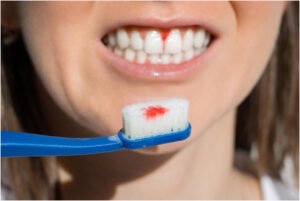
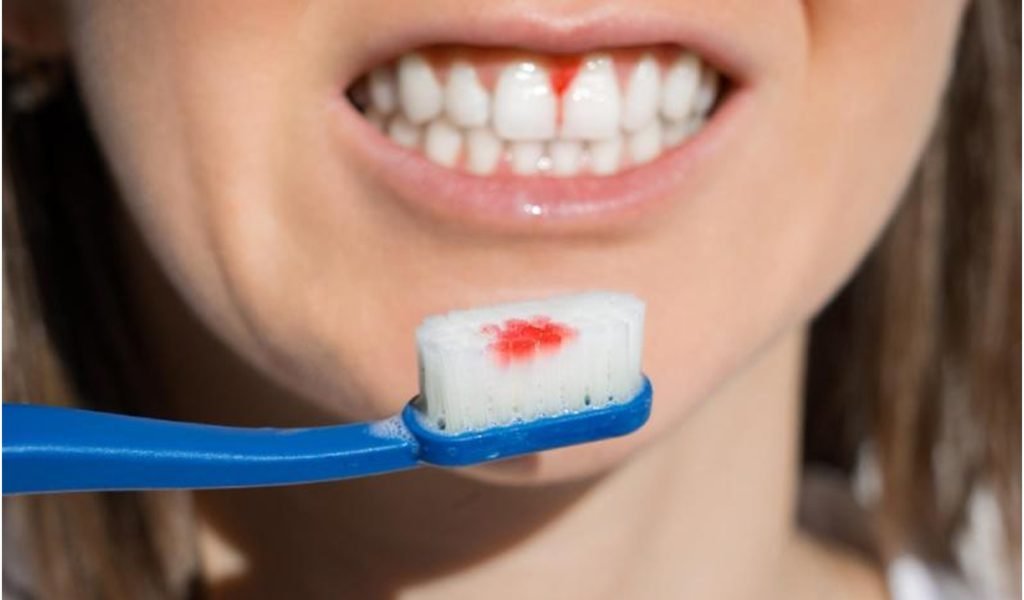
Bleeding gums are gums that bleed during brushing, flossing, or eating, most often because plaque has inflamed the tissue along the gumline. A one-off episode can follow irritation, but repeated bleeding should be evaluated so a dentist can distinguish technique-related injury from gingivitis, periodontitis, medication effects, or another health factor.
Key Takeaways
- Repeated gum bleeding is not something to normalize; plaque-related inflammation is a common cause.
- Hard brushing or rough flossing can injure gum tissue, but persistent bleeding may indicate gum disease.
- Tartar cannot be removed at home and may require professional cleaning.
- A dental exam can measure gum pockets and use X-rays when needed to check the bone supporting your teeth.
- Continue cleaning gently and arrange an assessment if bleeding persists or is accompanied by swelling, pain, recession, bad breath, or loose teeth.
The Most Common Reasons for Bleeding Gums During Brushing
The most common cause of bleeding gums during brushing is plaque-related inflammation at the gumline. MedlinePlus explains that plaque buildup can lead to gingivitis, while plaque that hardens into tartar can contribute to more advanced gum and bone disease.
Bleeding can also occur after brushing too hard or snapping floss into the gums. Other possible contributors include ill-fitting dental appliances, hormonal changes during pregnancy, infection, vitamin deficiencies, bleeding disorders, and medications that affect clotting. One symptom alone cannot tell you which cause applies, so it is safer to look at the full pattern rather than diagnose yourself in the bathroom mirror.
If you take a blood thinner or another prescribed medication, do not stop or change it because your gums bleed. Tell your dentist what you take, and speak with the prescribing clinician before making any medication changes. That whole-person context matters because your mouth, health history, and daily routine can all shape what the bleeding means.
How to Tell Minor Irritation From Gum Disease
Minor irritation is more likely when bleeding is limited to one spot and follows an obvious mechanical trigger, such as a new brush, forceful technique, or floss that was snapped into the tissue. Gum disease is more likely when bleeding recurs and is accompanied by redness, swelling, tenderness, recession, persistent bad breath, sensitivity, pain while chewing, or loose teeth.
Gingivitis means inflammation of the gums and is the earliest stage of plaque-related gum disease. Periodontitis affects deeper supporting tissues and can involve bone loss. The National Institute of Dental and Craniofacial Research lists bleeding, red or swollen gums, recession, persistent bad breath, chewing pain, sensitivity, and loose teeth as signs that warrant professional attention.
At Just Dentistry, our periodontal therapy service in London is designed to assess and manage gum problems without judgment. Whether you have missed a few cleanings or noticed a change, the next step is a clear explanation of what is happening and what can be done.
What a Dental Exam Can Reveal That a Mirror Cannot
A dental exam can determine whether bleeding stems from surface irritation, plaque and tartar, gingivitis, or deeper periodontal disease. It can also identify local problems that are hard to see at home, including deposits below the gumline, pockets around teeth, recession, bite-related trauma, and signs that an appliance is rubbing the tissue.
- Health and symptom review: your dentist or hygienist asks when the bleeding started, where it occurs, how you brush and clean between your teeth, whether you smoke, and which medications or health conditions may be relevant.
- Gum examination: colour, texture, swelling, recession, plaque, tartar, and bleeding areas are assessed throughout the mouth.
- Pocket measurements: a small periodontal probe measures the space between each tooth and the surrounding gum tissue. Deeper pockets can be a sign of periodontal disease.
- X-rays when clinically needed: images can help show whether bone support has been affected. Not every bleeding-gum visit requires new X-rays.
- A practical plan: recommendations may range from technique changes and a professional cleaning to deeper treatment or referral, depending on the findings.
When deposits and inflammation extend below the gumline, your dentist may discuss dental scaling and root planing. The goal is to remove plaque and tartar from areas that a toothbrush and floss cannot reach and to monitor how the gums respond.
Simple Habits That Help Bleeding Gums Heal
The most helpful home habits are gentle, consistent plaque control and timely professional care. Scrubbing harder is not the answer. A soft-bristled brush, light pressure, fluoride toothpaste, and careful cleaning between the teeth are more effective than avoiding the area or trying to stop the bleeding through force.
- Brush twice daily with fluoride toothpaste and a soft-bristled toothbrush.
- Clean between your teeth every day with floss, an interdental brush, or another tool recommended for your mouth.
- Guide the floss gently along the side of each tooth instead of snapping it into the gums.
- Keep tobacco out of the routine because smoking increases the risk of gum disease and can make treatment less successful.
- Arrange a professional cleaning when tartar is present, because hardened deposits cannot be removed with home brushing alone.
Our dental hygiene and cleaning appointments combine professional plaque and tartar removal with practical guidance for your oral care. If the cause is medication-related, hormonal, or linked to another health condition, home care may still help, but the underlying factor also needs appropriate professional attention.
When Bleeding Gums Mean It Is Time to See a Dentist in London
Book a dental assessment when bleeding recurs, persists, or returns despite gentle and consistent care. You should also arrange a visit when it is accompanied by painful or swollen gums, recession, persistent bad breath, sensitivity, discomfort when chewing, or a tooth that feels mobile.
Seek prompt medical or dental advice if the bleeding is severe, difficult to stop, persists after treatment, or occurs with other unexplained symptoms. A dentist can assess oral causes and, when needed, recommend that you speak with a physician or another healthcare professional. This is especially important if you have a bleeding disorder, have experienced a major health change, or take medications that affect clotting.
At our Hyde Park clinic, Dr. Irena, Dr. Zofia, and Dr. Gokul take a calm, judgment-free approach. You will be told what we see, what it may mean, and which options are reasonable before treatment begins. No lecture. Just a clear plan toprotect your gums.
Conclusion
Bleeding gums are a symptom, not a diagnosis. Gentle home care may ease simple irritation, but repeated bleeding warrants an examination to determine the cause and the right next step. At Just Dentistry, family caring for family means meeting you where you are, explaining what we find in plain language, and helping you move forward without pressure.
For a calm, judgment-free assessment of bleeding gums in London, book your family’s next visit.
Frequently Asked Questions
Is it normal for gums to bleed a little every time I floss?
No. Repeated bleeding is a reason to check both your technique and your gum health. Plaque-related inflammation is common, and flossing too forcefully can also injure the tissue. Continue gentle daily cleaning rather than snapping floss into the gums, and arrange an assessment if bleeding persists or is accompanied by pain, swelling, or bad breath.
Can brushing too hard cause bleeding gums?
Yes. Brushing with too much pressure can irritate or injure the gums, especially with firm bristles or a scrubbing motion. Use a soft-bristled brush and gentle strokes. If bleeding persists after you adjust your technique, do not assume pressure was the only cause; plaque-related inflammation or another factor may still require attention.
Should I stop flossing if my gums bleed?
Usually, no. Stopping all cleaning between the teeth can leave more plaque at the gumline. Use a gentle technique and an appropriate tool, and ask your dental team to show you what works best. Follow different instructions only when a dentist has advised you to protect a specific area after surgery, injury, or another procedure.
How quickly can gum health improve once treated?
There is no single timeline. Plaque-related gingivitis may improve after professional cleaning and consistent home care, while periodontitis usually requires ongoing management. The pace depends on the cause, severity, smoking, diabetes, medications, and daily cleaning. Follow-up measurements help your dental team assess whether bleeding, swelling, and gum-pocket depths are improving.